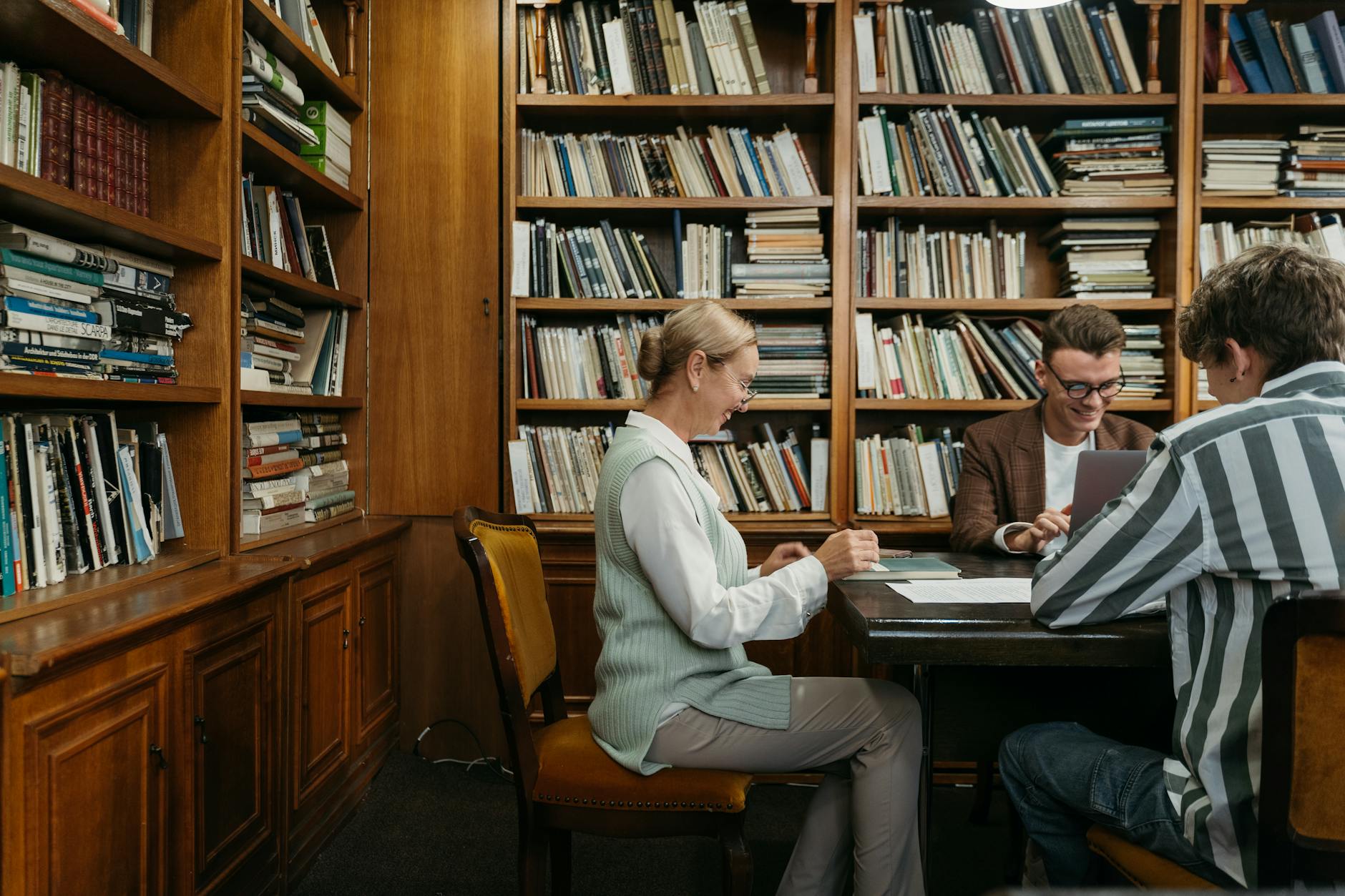
The average U.S. college student spent $413 on course materials in the 2023-2024 academic year, according to the National Association of College Stores (NACS, 2024). Yet this figure masks a brutal reality: students in STEM and pre-professional programs often face bills exceeding $1,200 per year for required textbooks alone, with a single introductory biology or calculus text frequently priced between $200 and $400. The College Board’s 2023 Trends in College Pricing report confirms that books and supplies add an average of $1,240 annually at four-year public institutions — a line item that can push total cost of attendance past $30,000 for in-state students. The good news: with a structured approach, most students can cut that figure by 50% to 80%, saving over $1,000 per year. This guide breaks down exactly where textbook costs come from and delivers a step-by-step playbook — from ISBN hunting and library reserves to rental arbitrage and international editions — that works regardless of your major or university.
Why Textbooks Cost So Much: The Publisher Playbook
The textbook market is dominated by five major publishers — Pearson, McGraw Hill, Cengage, Wiley, and Macmillan — who together control roughly 80% of the U.S. higher education market (Student Public Interest Research Groups, 2023). Their pricing strategy relies on three levers: bundled digital access codes, frequent new editions, and limited resale markets.
Access codes are the single biggest cost driver. Many courses now require a digital platform (e.g., Pearson MyLab, McGraw-Hill Connect) that includes homework, quizzes, and the e-textbook itself. A used print copy won’t work — you must buy a new code, typically costing $80 to $150 per course. NACS reports that access-code-required courses now represent over 60% of all textbook purchases at four-year universities.
New editions appear every 3–4 years, even for fields like introductory calculus where the content hasn’t changed in decades. Publishers change page numbering or shuffle chapters to kill the used-book market. A 2022 study by the U.S. Public Interest Research Group found that new editions cost 12% more on average than the edition they replace, with no measurable improvement in learning outcomes.
The First Step: Always Start with the Syllabus and ISBN
Before buying anything, wait for the first day of class. Professors often list a required textbook but then clarify that an older edition or a free online alternative is acceptable. The ISBN (International Standard Book Number) is your single most important tool — it guarantees you buy the exact edition and binding required.
How to use ISBNs effectively:
- Get the 13-digit ISBN from the syllabus or bookstore. Avoid the 10-digit version if possible — the 13-digit is universal and less error-prone.
- Search the ISBN on multiple platforms simultaneously using aggregators like SlugBooks or BookFinder. These tools compare prices across Amazon, Chegg, AbeBooks, and campus stores in one click.
- Check for “loose-leaf” or “unbound” versions of the same ISBN — they are often 40–60% cheaper than hardcover and can be placed in a three-ring binder.
A 2023 survey by the Student Watch program found that students who used an ISBN-based price comparison tool saved an average of $87 per textbook compared to those who bought from the campus store without checking.
Rent, Don’t Buy: The $500 Savings Sweet Spot
Textbook rental is the single most effective strategy for cutting costs. Services like Chegg, Amazon Textbook Rental, and CampusBooks offer 130-day rentals — covering a full semester — for 50–70% less than the purchase price. For a $250 textbook, a rental typically costs $30 to $60.
Key rental rules to follow:
- Rent early: prices rise as the semester start approaches. A textbook that rents for $45 in July may cost $70 by September.
- Check the rental period: most services offer 130-day or 150-day rentals. If your semester is 16 weeks (112 days), a 130-day rental covers it with room to spare.
- Avoid highlighters: rental agreements typically allow light highlighting but penalize heavy marking or water damage. A single damaged page can trigger a full purchase charge.
The College Board estimates that renting all required textbooks for a semester instead of buying them new saves the average student $380 to $520 per year. If you combine renting with buying used copies of books you’ll reference later (e.g., a statistics or writing handbook), the total annual saving can exceed $600.
International Editions: The $100 Loophole (with Caveats)
International editions — also called “low-price editions” — are identical in content to U.S. editions but sold in markets like India, the UK, and Southeast Asia at a fraction of the price. A Pearson calculus text that costs $300 in the U.S. can often be found for $25 to $40 as a paperback international edition on eBay or AbeBooks.
What you need to know:
- Content is identical for 95% of textbooks, especially for math, science, and engineering. The page numbering may differ by a few pages, but chapter order and problem sets match.
- Access codes are not included: international editions never come with MyLab or Connect codes. If your course requires a digital platform, this option won’t work alone.
- Resale value is near zero: you cannot sell an international edition back to the campus store or to most U.S. buyers. Treat it as a disposable purchase.
A 2022 analysis by the Student PIRGs found that students who used international editions for courses without access codes saved an average of $112 per textbook compared to buying a new U.S. edition. For a full course load, that adds up to over $400 in savings per semester.
Library Reserves and Open Educational Resources (OER)
Many university libraries keep a physical copy of required textbooks on course reserve — typically a 2-hour or 24-hour checkout period. This is a zero-cost option that works well for courses where you only need the book for occasional reference or problem sets.
How to use library reserves effectively:
- Visit the library on the first day of class to confirm the reserve copy exists. Not all professors submit their books to reserves.
- Photograph or scan the required chapters using a library scanner or a phone app like Adobe Scan. Most libraries allow scanning up to 20% of a book per visit without copyright violation.
- Combine with a study group: split the scanning workload among 3–4 classmates and share the PDFs.
Open Educational Resources (OER) are free, openly licensed textbooks that are peer-reviewed and used at over 2,000 U.S. institutions. Platforms like OpenStax (Rice University), BCcampus, and MIT OpenCourseWare offer full textbooks for introductory courses in biology, chemistry, physics, economics, and more. A 2023 report from the U.S. Department of Education found that OER adoption saved students an average of $128 per course compared to traditional textbooks.
The Digital-Only Strategy and Bundled Alternatives
If your course requires an access code, consider buying the digital-only bundle directly from the publisher. Pearson, Cengage, and McGraw Hill all sell “e-text + access code” packages for $70 to $110 — significantly less than the print + code bundle sold at the campus store for $200+.
Beware of the “inclusive access” trap. Many universities now auto-enroll students in a digital materials program (e.g., Pearson Inclusive Access, Cengage Unlimited) that charges a flat fee — often $50 to $90 per course — for all digital materials. While this can be cheaper than buying individual codes, it is often non-refundable after the drop/add period. Always opt out by the deadline if you can find the materials cheaper elsewhere.
For cross-border tuition payments and managing international purchases of textbooks from overseas sellers, some international families use channels like Airwallex student account to settle fees with favorable exchange rates.
Selling Back: How to Recover 30–50% of Your Investment
If you bought a print textbook (U.S. edition), sell it back within the first two weeks of the semester to maximize return. Campus stores typically offer 30–50% of the new price during buyback windows, but only 5–15% after the first month.
Best practices for selling:
- Sell on Amazon or eBay directly rather than to the campus store. A $200 textbook might fetch $80–$100 on Amazon Marketplace vs. $30 at the campus buyback.
- Sell before the next edition drops: once a new edition is announced, your book’s resale value drops by 60–80% overnight.
- Bundle with classmates: list multiple copies of the same book together to attract buyers looking for bulk purchases.
The NACS estimates that students who sell back textbooks within the first three weeks recover an average of $140 per semester — roughly 35% of their original spend. Over four years, that adds up to over $1,100 in recovered costs.
FAQ
Q1: Can I use an older edition of a textbook to save money?
Yes, in most cases. For subjects like calculus, physics, and introductory humanities, older editions (1–2 editions back) are 90%+ identical in content. The main risk is different page numbering for homework assignments. Check with your professor or a classmate who has the current edition to confirm problem set alignment. A 2023 Student Watch survey found that 62% of students who used an older edition reported no negative impact on their grade.
Q2: What’s the cheapest way to get an access code if my course requires one?
Buy the access code directly from the publisher’s website, not the campus bookstore. Pearson, Cengage, and McGraw Hill all offer e-text + code bundles for $70–$110, compared to $150–$250 at the bookstore. Some publishers also offer 14-day free trials — you can start the course for free and then purchase the code before the trial expires. A 2024 analysis by the Student PIRGs found that direct publisher purchase saved students an average of $82 per access code compared to campus store prices.
Q3: Is it worth buying a textbook instead of renting if I might need it later?
Only for reference books you will use across multiple courses — for example, a statistics handbook, a writing style guide (e.g., The Chicago Manual of Style), or a language dictionary. For most course-specific textbooks, the resale value drops so fast that renting is cheaper even if you later decide to keep it. Renting a $250 textbook for $45 and then buying a used copy later for $60 costs $105 total, versus buying new for $250 and selling back for $80 — a net cost of $170. Renting wins by $65 per book.
References
- National Association of College Stores (NACS). 2024. Student Watch: Attitudes & Behaviors toward Course Materials.
- College Board. 2023. Trends in College Pricing and Student Aid.
- Student Public Interest Research Groups (Student PIRGs). 2023. Textbook Affordability: The Cost of Learning.
- U.S. Department of Education. 2023. Open Educational Resources: Impact on Student Savings and Learning Outcomes.
- UNILINK Education Database. 2024. International Student Cost-of-Attendance Benchmarking.